Tips for Caring for Your Handmade Jewelry Pieces
Handmade jewelry is not just an accessory; it’s a piece of art that reflects the creativity and craftsmanship of its maker. Each piece tells a story, and with the right care, you can ensure that your jewelry remains beautiful and lasts for years to come. In this post, we will explore practical tips for caring for your handmade jewelry, helping you maintain its beauty and integrity.
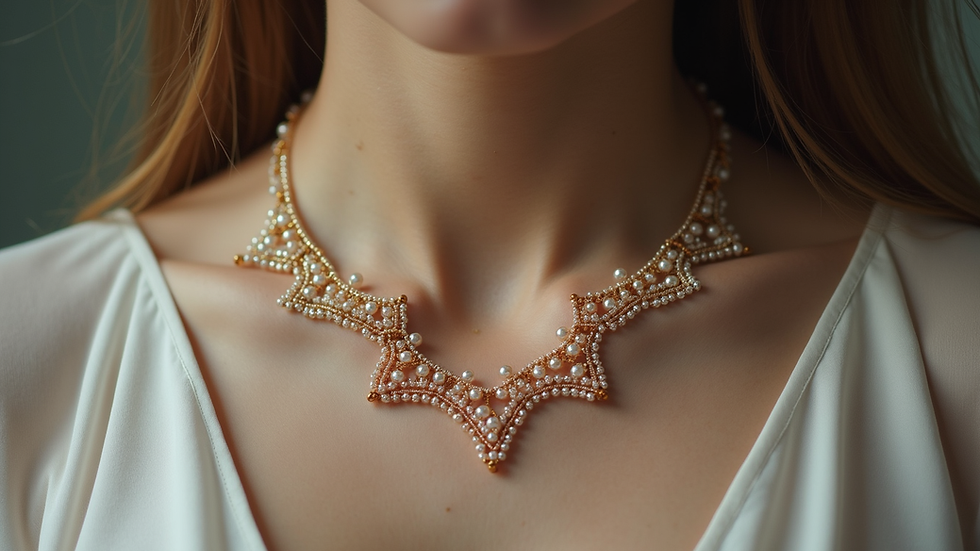
Understanding Your Jewelry Materials
Before diving into care tips, it's essential to understand the materials used in your handmade jewelry. Different materials require different care methods. Here are some common materials and their care needs:
Metal
Sterling Silver: Prone to tarnishing, silver should be stored in a dry place and cleaned regularly with a silver polishing cloth.
Gold: Gold jewelry is more resistant to tarnishing but can still scratch. Use a soft cloth for cleaning.
Copper: Copper can oxidize and develop a patina. If you prefer the shiny look, clean it with a mixture of lemon juice and baking soda.
Gemstones
Soft Gemstones: Stones like opals and pearls can scratch easily. Store them separately and clean them gently with a damp cloth.
Hard Gemstones: Diamonds and sapphires are more durable. They can be cleaned with mild soap and water.
Beads and Other Materials
Glass Beads: These can be fragile. Avoid dropping them and clean with a soft, dry cloth.
Wood: Wooden jewelry should be kept away from moisture to prevent warping. Use a soft cloth to wipe off dirt.
General Care Tips
Regardless of the materials, here are some general care tips to keep your handmade jewelry looking its best:
1. Store Properly
Use a Jewelry Box: Store your jewelry in a soft-lined box to prevent scratches and tangling.
Separate Pieces: Keep different pieces apart to avoid scratching and damage. Use pouches or dividers.
2. Clean Regularly
Routine Cleaning: Wipe your jewelry with a soft cloth after wearing it to remove oils and dirt.
Deep Cleaning: For a thorough clean, use mild soap and water, but ensure to dry it completely afterward.
3. Avoid Chemicals
Keep Away from Harsh Chemicals: Avoid exposing your jewelry to perfumes, lotions, and cleaning products, as they can damage the finish.
Remove Before Swimming: Chlorine and saltwater can be harmful to many materials, so take off your jewelry before swimming.
4. Handle with Care
Be Gentle: When putting on or taking off your jewelry, do so gently to avoid bending or breaking delicate pieces.
Avoid Pulling: Don’t tug on chains or clasps, as this can lead to breakage.
Specific Care for Different Jewelry Types
Necklaces
Necklaces can easily tangle or break if not cared for properly. Here are some tips:
Use a Necklace Stand: Hang necklaces on a stand to prevent tangling.
Check Clasps Regularly: Ensure clasps are secure to avoid losing your necklace.
Earrings
Earrings can be particularly delicate, especially if they have intricate designs.
Store in Pairs: Keep earrings together in a small container to avoid losing one.
Clean After Use: Wipe them down after wearing to remove any buildup.
Bracelets
Bracelets can be prone to scratching and bending.
Avoid Tight Spaces: Don’t store bracelets in tight spaces where they can get bent or scratched.
Check for Weak Spots: Regularly inspect for any signs of wear, especially if they have clasps or links.
Seasonal Care Tips
Different seasons can affect your jewelry in various ways. Here’s how to care for your pieces throughout the year:
Summer
Humidity: High humidity can cause tarnishing. Store jewelry in a cool, dry place.
Sun Exposure: Prolonged sun exposure can fade colors in certain materials. Avoid wearing bright-colored pieces in direct sunlight.
Winter
Cold Weather: Cold can make some materials brittle. Be cautious when wearing delicate pieces outdoors.
Moisture: Indoor heating can dry out wooden jewelry. Apply a small amount of mineral oil to keep it hydrated.
Spring and Fall
Allergies: If you have allergies, be mindful of wearing jewelry that may irritate your skin. Opt for hypoallergenic materials.
Cleaning: Use these transitional seasons to do a thorough cleaning of your jewelry collection.
Repairing Your Handmade Jewelry
Even with the best care, jewelry can sometimes break. Here are some tips for repairs:
1. DIY Repairs
Simple Fixes: For minor issues like a loose bead or a broken clasp, you can often fix it yourself with basic tools.
Online Tutorials: There are many online resources and videos that can guide you through simple repairs.
2. Professional Help
Jewelry Repair Shops: For more complex repairs, consider taking your jewelry to a professional. They can handle intricate work that requires specialized tools.
Ask the Maker: If you purchased from a local artisan, reach out to them for repair options.
Conclusion
Caring for your handmade jewelry is essential to preserving its beauty and longevity. By understanding the materials, following proper care techniques, and being mindful of seasonal changes, you can keep your jewelry looking stunning for years to come. Remember, each piece is unique and deserves the best care possible. So, take these tips to heart and enjoy your beautiful handmade treasures!


Comments